

If you’ve got a budget for paid advertising, one question decides a lot: should it go to Facebook or Google? It’s one of the most common calls Australian business owners face, and the honest answer is that neither is universally better, they do different jobs. This guide from Nifty Marketing Australia explains how the two platforms really differ, when each one wins, and how to get better return from either, so you can put your ad budget where it’ll work hardest. If you’d rather have it handled, our Facebook and Meta ads management can take it from here.
| Quick answerNeither Facebook nor Google Ads is universally better; they suit different goals. Google Ads captures people already searching for what you offer, so it’s strong for high-intent, ready-to-buy demand. Facebook and Meta ads reach people by interest and behaviour, so they’re strong for awareness, visual products and retargeting. The best ROI often comes from using both together. |
How the two platforms actually differ (intent vs interruption)
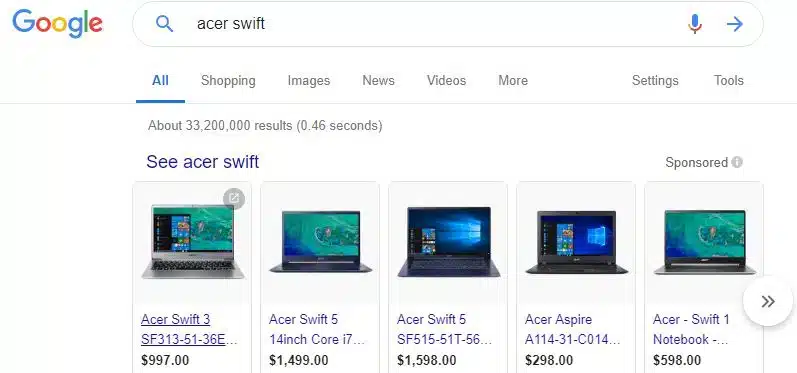
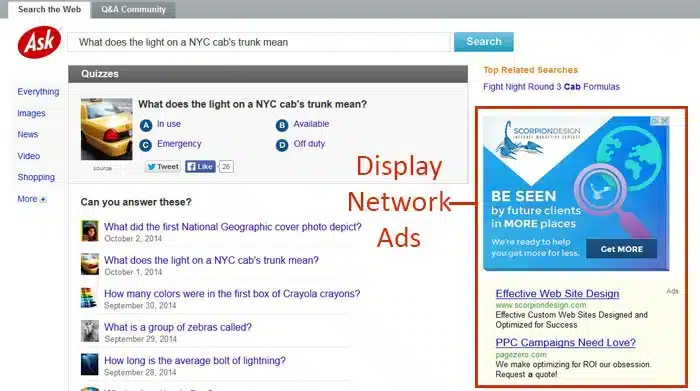
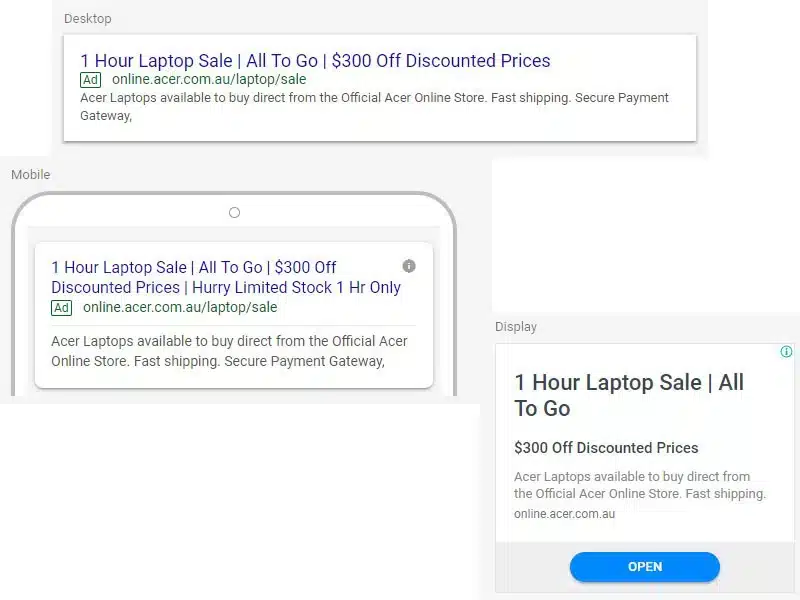
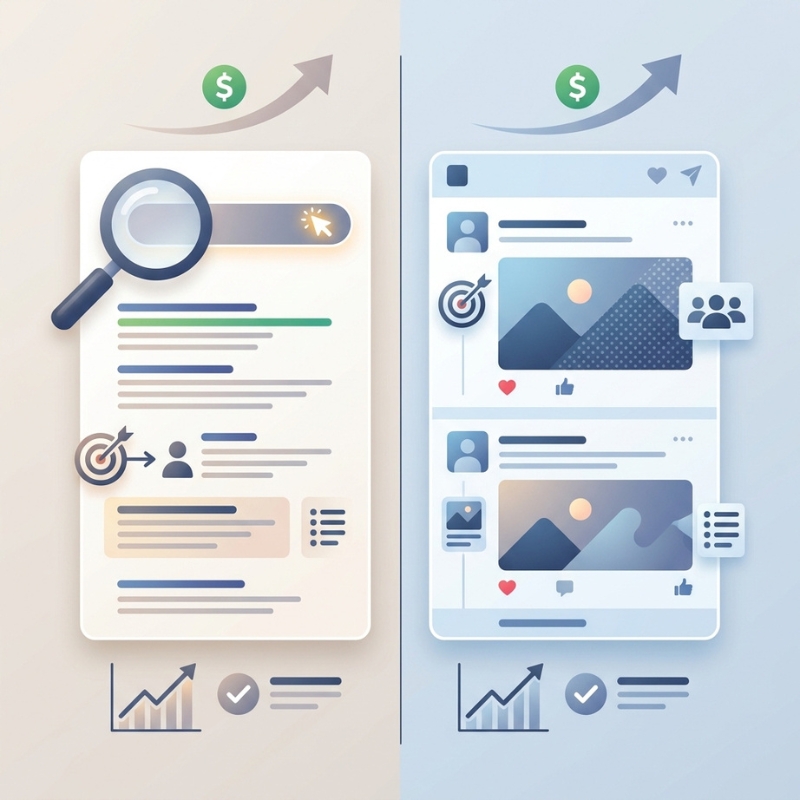
The core difference comes down to how each platform reaches people, and it shapes everything else. Google Ads is built on intent. Someone types a search, such as “emergency plumber Sydney”, and your ad appears at the moment they’re actively looking, which means you’re meeting existing, in-the-moment demand. That’s powerful, because the person already wants what you offer; they just need to choose a provider. Facebook and Meta ads work differently. People aren’t searching on Facebook or Instagram; they’re scrolling. So Meta ads reach people based on who they are, their interests, behaviours and demographics, and interrupt the feed with something relevant. This is less about capturing demand and more about creating it, putting your business in front of people who might want what you offer but weren’t looking right now. Think of it as intent versus interruption: Google catches people at the bottom of the funnel, ready to act, while Meta reaches people higher up, building awareness and interest. Neither approach is better; they simply do different jobs at different stages of the buying journey, which is exactly why the right choice depends on your goal.
When Facebook/Meta ads win
Meta ads come into their own in several situations. They’re excellent for brand awareness, getting your business in front of a large, well-targeted audience who may not know you exist yet. They shine for visual products and services, because the feed is a visual environment where strong images and video do the selling, so anything that looks good, from renovations to food to fashion, tends to perform. They’re powerful for retargeting: showing ads to people who’ve already visited your website or engaged with you, gently bringing them back to convert. And they’re strong for local reach and community building, letting you target a specific area and audience affordably. Meta also allows detailed audience targeting that Google can’t match, so if you know exactly who your customer is, you can reach people who fit that profile. The trade-off is that because you’re interrupting rather than capturing intent, it can take more touches to convert, and the creative matters enormously. But for building demand, reaching new audiences and staying front of mind, Meta is hard to beat, especially for visual and consideration-stage marketing.
When Google Ads win
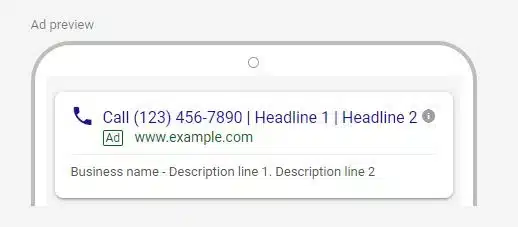
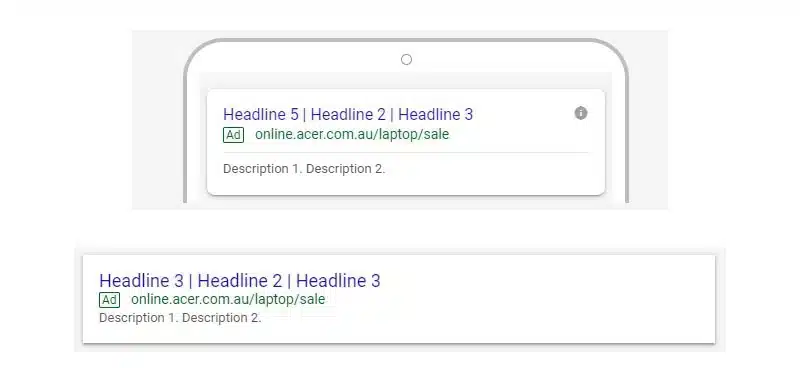
Google Ads tends to win whenever there’s active, high-intent demand to capture. If people are searching for your service, particularly urgent or need-it-now services, being at the top of those results is enormously valuable, because you’re reaching someone at the exact moment they want to buy. Service businesses live here: searches like “electrician near me”, “conveyancing quote” or “aircon repair” signal someone ready to act, and a well-run campaign puts you in front of them. Google is also strong for bottom-of-funnel, ready-to-convert traffic, where the person has done their research and is choosing a provider. Because the intent is already there, the path from click to enquiry can be shorter than on social, which often shows up as a stronger direct return. Our Google Ads management focuses on exactly this: capturing the searches that matter and turning them into enquiries. The main consideration is that competitive search terms can carry a higher cost per click, so the quality of your targeting, ads and landing page decides whether that spend pays off. For capturing existing demand, though, Google is usually the first port of call.
A simple decision framework + comparison table
So how do you decide? A useful way to think about it is to match the platform to where your customers are in their journey and how they discover businesses like yours. Here’s a side-by-side to guide the choice:
| Factor | Facebook / Meta ads | Google Ads |
|---|---|---|
| User mindset | Scrolling, open to discovery | Actively searching for a solution |
| Demand | Creates and builds demand | Captures existing demand |
| Creative needs | Strong images and video essential | Compelling ad copy and landing page |
| Best-fit business | Visual products, awareness, retargeting, local reach | Services, urgent needs, high commercial intent |
| Funnel stage | Top and middle of funnel | Bottom of funnel |
As a rough rule, if people are already searching for what you sell, start with Google to capture that demand. If they need to discover you, or your product sells on how it looks, lean into Meta to create demand. Many Australian businesses do best running both, using Google to catch ready buyers and Meta to build the audience that becomes tomorrow’s buyers. The framework isn’t about picking a winner; it’s about matching the tool to the job.
Getting better ROI from either platform
Whichever platform you choose, the return depends less on the platform itself and more on how well you run it, and the same fundamentals lift performance on both. Tracking comes first: if you can’t measure which ads and clicks turn into enquiries and sales, you’re flying blind, so proper conversion tracking is non-negotiable. Creative is next; strong, relevant ads that speak to your audience out-perform generic ones dramatically, and on Meta in particular, the creative is often the single biggest lever. Then there’s the landing page, which is where a lot of budget quietly leaks away. Sending paid traffic to a slow, unclear or unconvincing page wastes the click no matter how good the ad was, which is why conversion rate optimisation often does more for your ROI than simply spending more. Finally, testing: the best results come from continually testing audiences, ads and pages, keeping what works and cutting what doesn’t. Do these well and either platform can deliver a strong return; neglect them and even the right platform will disappoint. The platform is only ever half the story.
Frequently asked questions
Which is better for a small business: Facebook ads or Google ads?
It depends on your goal. If people already search for what you offer, Google captures that ready demand well. If you need to build awareness or your product sells visually, Facebook and Meta ads reach the right audience. Many small businesses get the best result running both, matched to where their customers are.
How much should I spend to test each platform?
There’s no fixed figure, since it depends on your market and the cost of reaching your audience. The key is spending enough for long enough to gather meaningful data, rather than a tiny budget that never leaves the testing phase. A professional can help set a realistic test budget for your specific goals and industry.
Can I run both at once?
Yes, and many businesses do. Google captures people ready to buy while Facebook and Meta build awareness and bring past visitors back, so the two complement each other well. Running both lets you cover more of the buying journey. The right split between them depends on your goals, margins and how your customers discover you.
How long until paid ads generate leads?
Paid ads can start generating clicks quickly once live, but reliable results take a little time as campaigns gather data and get optimised. Google can produce enquiries sooner because it captures existing intent; Meta may take more touches as it builds demand. Consistent tracking and refinement are what turn early clicks into steady leads.
Final thoughts
Facebook and Google Ads aren’t rivals so much as different tools: Google captures people who are already searching, while Meta builds awareness and demand among people who aren’t. The better ROI usually comes from matching the platform to your goal, and often from running both together, backed by solid tracking, strong creative and a landing page that converts. If you’d like a paid strategy built around your business, get a proposal from Nifty Marketing Australia.
| Get a proposalNot sure where your ad budget should go? Get a paid advertising proposal from Nifty Marketing Australia, built around your goals, not a one-size-fits-all template. |