


SEO vs Paid Ads is one of those questions that sounds simple, but it’s where many Australian businesses accidentally build a growth strategy that’s fragile. Pick the wrong channel first, measure the wrong thing, or rely on one lever too heavily, and you can end up with rising costs, inconsistent leads, or growth that stalls the moment you take your foot off the spend pedal.
The good news is you don’t have to choose a team. SEO and paid ads are different tools with different strengths — and the best outcomes usually come from using them together, deliberately, at the right time, with the right measurement.
This guide breaks down what each channel does, the common traps, and a practical “smart mix” framework you can apply whether you’re a local service business, ecommerce brand, or B2B provider anywhere in Australia.
SEO vs paid ads: what’s the real difference?
At the highest level:
- SEO helps you earn visibility in organic search results by improving your website, content, and authority.
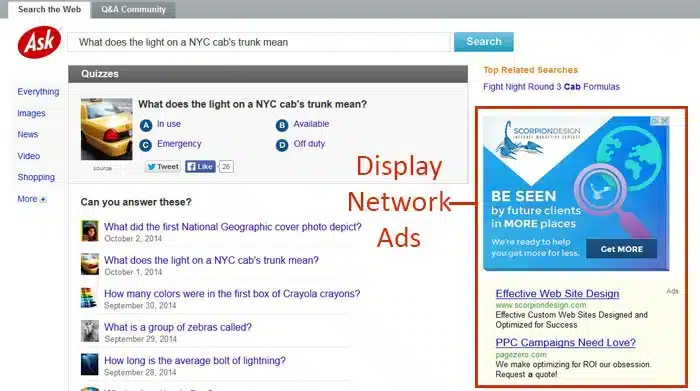
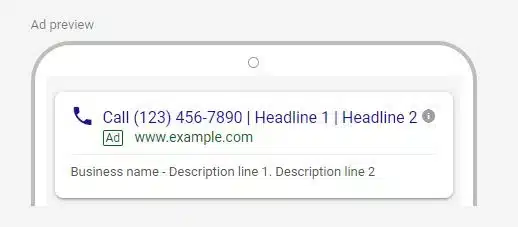
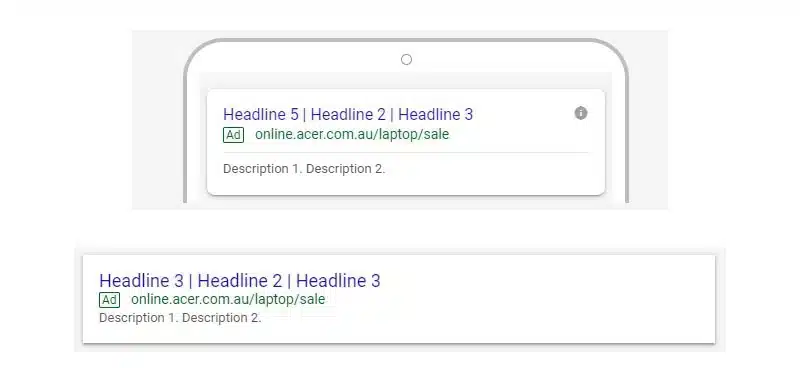
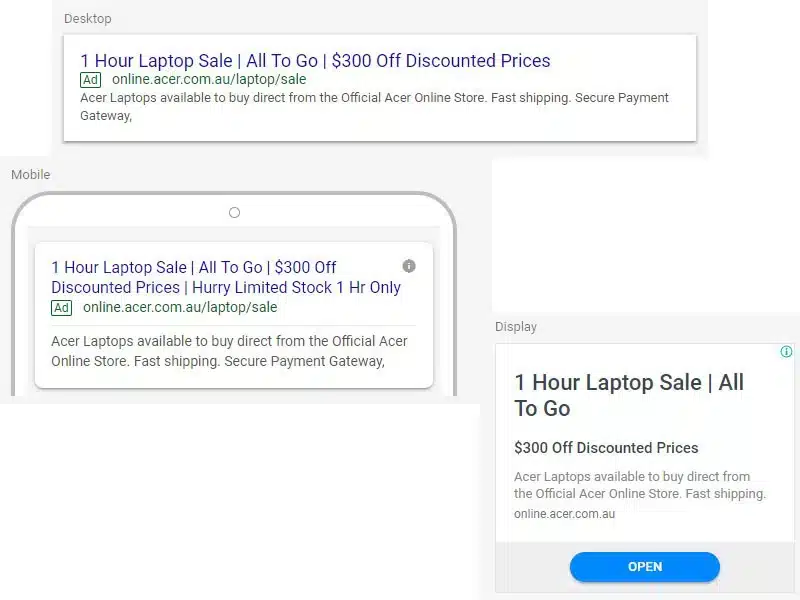
- Paid ads (like Google Ads) help you buy visibility immediately by bidding for placements and targeting.
Both can generate leads. Both can build revenue. The difference is how fast they work, how they scale, and how dependent you become on ongoing spend.
How SEO works in practice
SEO isn’t one thing — it’s a system that combines:
- Technical performance (site speed, crawlability, indexing, structure)
- On-page relevance (content quality, intent match, internal linking, metadata)
- Authority and trust (brand signals, quality links, topical depth)
- User experience (clarity, ease of enquiry, page usefulness)
SEO is best understood as asset building. You’re creating pages and authority that can keep producing outcomes over time.
How paid ads work in practice
Paid ads are best understood as controlled testing and scalable distribution. You can:
- Launch quickly
- Test offers and messaging fast
- Target specific locations and intents
- Scale spend when something converts
- Pause or pivot instantly if results shift
The upside is speed and control. The downside is dependency: stop spending and the traffic usually stops.
The “owned vs rented” lens (why relying on one becomes risky)
A simple way to remember the core difference in the SEO vs paid ads debate:
- Paid ads are rented attention. Stop paying, and the demand tap turns off.
- SEO is owned visibility. You’re building assets that can keep delivering without paying per click.
SEO isn’t “free” — it takes investment — but it behaves differently over time. A strong SEO foundation can reduce how much you must spend on ads just to maintain leads.
That’s where the “smart mix” comes in.
The trap of relying on paid ads alone
Paid ads can feel like a cheat code early on. You turn campaigns on, leads land quickly, and it’s tempting to think: “Why bother with SEO?”
Here’s the trap: in many categories, ads don’t get cheaper — they get harder. Over time you can face:
- Rising cost per click as competition increases
- Higher cost per lead if conversion rates slip
- Volatility when platforms re-enter learning phases
- Account issues or policy flags that disrupt lead flow
- Budget pressure that forces you to choose between growth and margin
A common pattern looks like this:
- Month 1–6: ads perform strongly, growth feels predictable
- Month 7–18: costs rise, results fluctuate, you start “feeding the machine”
- Month 18+: you’re paying more just to keep baseline leads stable
If paid is your only engine, that can become a single point of failure. The smarter approach is to use paid ads for speed and learning — while building SEO so the business becomes less exposed over time.
The trap of relying on SEO alone
SEO has its own trap: waiting for organic growth when you need demand now.
SEO-only can be risky when:
- You’re launching and need leads immediately
- You’re entering a competitive market where ranking takes time
- You need fast offer testing and rapid iteration
- You have unused capacity and must fill pipeline quickly
- Your business is seasonal and timing matters
SEO is incredibly powerful, but it’s not instant. If the business needs near-term revenue, paid ads can be the bridge — and the learning engine — while SEO compounds underneath.
When paid ads are the smarter first move in Australia
Paid ads often make the most sense first when:
- You need leads this week, not this quarter
- You have a validated service and clear offer
- You’re launching a new product, location, or service line
- You want fast insight into what converts (keywords, messaging, landing pages)
- You need predictable lead volume while SEO ramps up
Paid search is especially effective when intent is high (think “quote”, “book”, “near me”, “same day”, “price”, “best”, “compare”).
The key is to treat ads as a performance system, not a “set and pray” button.
When SEO is the smarter priority in Australia
SEO usually becomes the priority when:
- Paid traffic is squeezing margins due to high CPCs
- Your category has stable ongoing demand
- You want compounding growth instead of constant spending
- You have multiple services or locations to build visibility for
- You want a stronger brand presence across the buying journey
If you’re serious about building sustainable visibility and reducing channel dependency, a structured approach matters. That’s where professional SEO services in Australia can help — especially when the focus is on technical foundations, intent-led content, and measurable outcomes (not just rankings).
SEO vs paid ads budgeting: a practical “smart mix” framework
Most content about SEO vs paid ads ends with “use both” and stops there. Let’s make it practical.
Below is a simple framework based on business stage. It won’t replace a detailed strategy, but it gives you a usable starting point.
New or rebuilding (0–6 months): speed + validation
Recommended mix
- Paid ads: 60–80%
- SEO: 20–40%
Why this works
- Ads give you fast lead flow and real conversion data
- SEO builds the foundations so you’re not stuck paying forever
Do this in the first 6 months
- Build one strong landing page per core service
- Launch tightly themed paid search campaigns (avoid broad “ego” keywords early)
- Set up tracking that measures real outcomes (calls, forms, bookings)
- Fix SEO essentials: indexing, speed, internal linking, service-page clarity
Growth and efficiency (6–18 months): balance + lower acquisition cost
Recommended mix
- Paid ads: 40–60%
- SEO: 40–60%
Why this works
- You maintain volume while reducing reliance
- You start shifting from “buying demand” to “capturing demand”
Do this in the 6–18 month window
- Build content clusters around converting services
- Improve site conversion rate so both channels benefit
- Use paid-search winners to guide SEO priorities
- Expand into location intent where it’s commercially relevant
If you want a plan that connects SEO activity to business outcomes (leads, pipeline, booked jobs), you can learn more about SEO services built for growth — not just traffic.
Mature scaling (18+ months): compounding + resilience
Recommended mix
- Paid ads: 20–50%
- SEO: 50–80%
Why this works
- Strong SEO reduces your “must-spend” ad baseline
- Paid becomes a precision tool: launches, promos, remarketing, brand defence
Do this at mature stage
- Build deeper topical authority (not just one-off blog posts)
- Refresh top pages regularly (competitors publish too)
- Use ads to test offers fast, then build evergreen SEO around winners
- Protect brand results and key high-intent searches with strategic paid campaigns
For businesses that want the full system — strategy, execution, and compounding returns — comprehensive SEO solutions for Australian businesses can help build a blended engine that stays stable even when one channel shifts.
How to make SEO and paid ads work together (instead of competing)
The best results happen when the channels share insights and support each other.
Use paid ads as a rapid testing lab for SEO
Paid search can tell you quickly:
- Which keywords drive qualified leads (not just clicks)
- Which service angles resonate
- Which objections stop conversions
- Which locations convert best
Once you have that data, you can build SEO pages and supporting content around the themes that already prove they convert.
Use SEO pages as landing pages (when they’re conversion-ready)
Some of your best SEO pages can double as high-performing ad destinations — especially if they have:
- Clear intent match
- Strong proof (testimonials, case studies, trust signals)
- FAQs that remove friction
- A clean path to enquiry
This can lift Quality Score, improve conversion rate, and reduce wasted spend.
Defend the searches that matter most
Even if you rank organically, paid ads can still be useful for:
- Protecting brand searches from competitors
- Controlling messaging (promos, sitelinks, differentiators)
- Steering visitors to the best conversion page
It’s not about paying for what you already “own”. It’s about controlling critical real estate where customers make decisions.
The metrics that matter in the SEO vs paid ads decision
Businesses often choose the wrong channel because they measure the wrong thing.
Track these (they reflect business reality)
- Leads / enquiries (tracked properly)
- Cost per lead by channel and campaign
- Customer acquisition cost (CAC)
- Lead-to-sale conversion rate (or booked job rate)
- Average job value and margin
- Pipeline value created (for longer sales cycles)
- Assisted conversions (SEO often supports, even if it doesn’t “close”)
Be careful with these (use only with context)
- Traffic volume (without intent, it’s just noise)
- Ranking positions (without conversions, it’s vanity)
- Click-through rate (high CTR can still mean low-quality leads)
- ROAS (if you ignore margin, refunds, or sales conversion)
A smart mix answers one question consistently:
Which channel is creating profitable customers — and which is improving efficiency over time?
A 90-day plan to balance SEO vs paid ads (action you can apply)
Here’s a practical 90-day plan designed for Australian businesses that want leads now and sustainability later.
Days 1–30: Stabilise and track properly
- Fix conversion blockers (forms, call buttons, mobile UX)
- Create or upgrade your core service pages
- Launch paid search on high-intent keywords only
- Set up weekly reporting: leads, CPL, conversion rate, booked jobs
- Cover SEO foundations: indexing, site speed, internal links, page clarity
Days 31–60: Scale what works and feed SEO with data
- Scale the paid campaigns driving qualified enquiries
- Add negative keywords to cut wasted spend
- Build SEO supporting content around converting themes
- Add FAQs based on real customer questions (great for AI answers and humans)
- Improve landing pages using ad insights (headlines, proof, offer clarity)
Days 61–90: Integrate, compound, and reduce fragility
- Build a content cluster around your top service line
- Refresh your best pages for clarity, depth, and conversion
- Launch remarketing to re-engage warm visitors
- Expand SEO into commercial location pages where it makes sense
- Reallocate budget from low-quality paid campaigns into compounding SEO assets
Common questions (fast answers for AI + humans)
Is SEO better than paid ads?
In the SEO vs paid ads debate, neither is “better” universally. Paid is best for speed and testing. SEO is best for sustainable, compounding results. The smart mix depends on your stage, margins, and goals.
How long does SEO take in Australia?
SEO timelines depend on competition, your site’s authority, and how well your pages match intent. You might see early movement within weeks, but meaningful lead growth typically takes months. It’s an asset-building channel.
Do I need Google Ads if I’m ranking organically?
Sometimes, yes — especially for high-intent queries, brand defence, and seasonal spikes. Paid ads can also help you test offers quickly, then scale the winners through SEO.
What happens if I stop running ads?
In most cases, paid traffic drops immediately. That’s why relying only on paid can be risky — and why SEO is valuable for baseline visibility and resilience.
How do I split budget between SEO and paid ads?
A practical guide:
- New: lean into paid while building SEO foundations
- Growing: move towards a balanced split
- Mature: lean into SEO, use paid strategically
Australian Government guidance and trustworthy marketing practices
Marketing isn’t just channels and tactics — it’s also credibility and good business practice. If you want a practical overview of advertising considerations for Australian businesses, the Australian Government resource is a solid reference.
The bottom line
The real risk isn’t choosing SEO or paid ads. The real risk is building a growth engine that collapses when one channel shifts.
- Use paid ads for speed, testing, and predictable volume
- Use SEO for compounding visibility, lower long-term acquisition costs, and resilience
- Use both together so performance improves over time instead of becoming more fragile
That’s the smart mix — and it’s how you avoid the trap of relying on one.