


If you’ve ever said, “We’ll do SEO later,” you’re not alone. It’s one of the most common decisions Australian businesses make when budgets tighten, when a new website project drags on, or when paid ads are keeping the lights on.
But here’s the uncomfortable truth: waiting on SEO isn’t a neutral choice.
Even if you spend $0 on SEO this month, your business still pays a “waiting tax” in the background. It shows up as missed enquiries, higher future marketing costs, weaker brand trust, slower growth, and a growing reliance on paid channels just to stay visible.
This guide breaks down exactly what the hidden cost looks like, why it compounds over time, and what a realistic “start now” plan looks like for Australian businesses that want steady, sustainable leads.
Waiting on SEO Isn’t “Pausing Marketing” — It’s Handing Time to Your Competitors
Most businesses think of SEO as a project: you do it, then you’re “done”.
In reality, SEO behaves more like an asset. It compounds. It builds momentum. It gets stronger the longer you invest in it (when it’s done properly).
SEO is compounding growth, not a one-off expense
Every piece of useful content you publish, every service page you improve, every technical fix you make, and every authority signal you earn can stack over time.
That’s why businesses that started even 6–12 months earlier often look like they’ve got a “magic advantage”. They don’t. They just started sooner.
Think of SEO like:
• Superannuation (small, consistent contributions win)
• Gym training (results come from momentum, not a single session)
• Reputation (it’s built slowly, lost quickly)
When you wait, you lose time — and time is the one thing you can’t buy back.
Google (and customers) need time to trust you
Even when your website is great, search engines still need time to:
• Crawl and index your pages
• Understand what you do and who you serve
• Compare your site to competitors in the same category
• Observe real user behaviour signals (clicks, engagement, returns)
• Build confidence that your business is credible and consistent
This is why businesses that “start SEO later” often discover the real cost: they didn’t just delay results. They delayed trust.
The 7 Hidden Costs of Delaying SEO
Let’s make the hidden costs visible.
1) You miss demand that already exists (and it doesn’t come back)
People are searching right now for:
• Your service
• Alternatives to your service
• “Best” providers in Australia
• Pricing, timelines, comparisons, reviews, and “near me” options
• Answers to questions you could own with helpful content
If you’re not showing up, customers don’t “wait” for you to start SEO. They choose someone else.
Over time, that demand turns into:
• Your competitor’s customer list
• Your competitor’s reviews and referrals
• Your competitor’s case studies and brand recognition
• Your competitor’s recurring work and retained revenue
2) Your competitors are building a moat while you pause
When other businesses invest in SEO consistently, they build:
• Topical authority (becoming an obvious expert in the category)
• Strong internal linking networks (pages supporting pages)
• Brand searches (people search their name, not just the service)
• Backlinks and digital PR signals
• A content library that answers more questions than you
The longer you wait, the larger the gap gets — and the more effort it takes to close.
3) You pay more later because you’ll need to “catch up”
Starting SEO later often means:
• More content required to cover what competitors already built
• More technical clean-up (especially after site changes, plug-ins, or rushed rebuilds)
• More authority work (because competitors have been accumulating trust signals)
• More time reversing performance decline (if traffic has dipped)
In practical terms, “we’ll do it later” can become “we now need a bigger budget to fix what time created”.
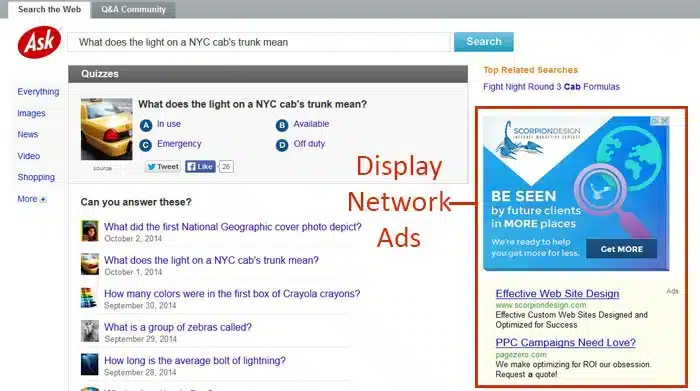
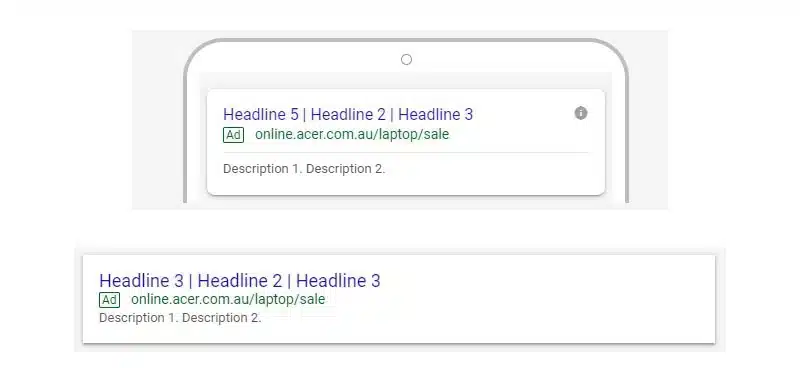
4) You become dependent on paid ads to stay visible
Paid ads can be powerful — but they’re rent, not ownership.
When you rely heavily on paid channels because SEO isn’t producing leads:
• Your cost per lead is at the mercy of competition
• You get hit by seasonal surges (when bids spike)
• You feel the pain instantly if you reduce spending
• You can’t scale without scaling costs
A balanced growth engine is usually:
• Paid ads for immediacy and testing
• SEO for sustainable, compounding demand capture
• Conversion optimisation so both channels perform better
If you want a long-term approach, professional SEO services in Australia should be building your “owned visibility” while paid channels cover short-term volume.
5) Your credibility suffers (even if your service is excellent)
Whether it’s B2B or consumer services, buyers often Google you before they enquire.
If your search presence is thin, outdated, or dominated by competitors, it can quietly reduce:
• Trust
• Price tolerance
• Conversion rates
• Partnership opportunities
• Recruitment appeal (yes, staff also check your brand)
SEO supports brand confidence, not just rankings.
6) You lose data that would make every other marketing channel smarter
SEO is a research engine.
The keywords people search reveal:
• How customers describe their problem (often different to your internal language)
• Which services are rising in demand
• Which objections matter most
• Which topics convert, not just attract traffic
• Which angles generate the best-quality leads
When you delay SEO, you delay insights — and that can make your ads, sales messaging, and content less effective.
7) You risk falling behind as search behaviour evolves
Search is changing. People ask longer questions. They compare options faster. They expect clearer answers and stronger proof.
That doesn’t mean SEO is dead — it means the businesses that win are the ones providing the clearest information and the strongest trust signals across their website.
A helpful baseline resource is the Australian Government guide to Improve your search engine rankings, which reinforces that good SEO is about making your content easy to find, understand, and match what customers search for.
Why Businesses Wait on SEO (and the Smarter Alternative)
Most waiting is rational on the surface. The trick is turning “delay” into “sequence”.
“We don’t have the budget right now”
You don’t need an all-in SEO campaign to start building momentum.
A staged approach can still win:
• Fix the biggest technical blockers first
• Optimise your highest-intent pages (service pages, primary offer pages)
• Publish a small number of high-impact pieces that answer real buying questions
• Track conversions properly so you can prove ROI early
This is exactly where it helps to learn more about SEO services in Australia and what a phased strategy can look like without wasting time on low-impact work.
“Our website isn’t ready”
Waiting for the “perfect website” is one of the most expensive delays.
Because even a new website needs time to:
• Be crawled and indexed properly
• Build authority and engagement signals
• Establish which pages perform best
• Earn trust over time
A smarter approach:
• Start foundational SEO now (tracking, technical baselines, keyword mapping)
• Improve your existing site where it matters most
• Plan your redesign with SEO baked in (so you don’t lose visibility during launch)
“We tried SEO before, and it didn’t work”
Sometimes SEO doesn’t work because:
• The strategy was too generic
• Reporting tracked rankings but not leads
• Technical issues weren’t fixed
• Content didn’t match search intent
• The site lacked clear positioning and conversion design
• The timeline expectations were unrealistic
A second attempt can work brilliantly when it’s anchored to:
• Revenue outcomes
• Clear prioritisation
• Strong technical hygiene
• Buyer-intent content
• Measurable conversion tracking
“We’ll do it after the busy season”
This one is a trap.
Busy season ends, something else pops up, and SEO stays “next quarter” forever.
A better way:
• Use the busy period to capture keyword and customer insight
• Start building content that supports the next season
• Fix foundational issues while you’re busy, so you’re ready when things calm down
How Long Does SEO Take in Australia?
This is one of the most common questions — and it’s where many businesses get burnt.
SEO doesn’t have a single timeline because it depends on:
• Competition in your niche
• Current website health
• Existing authority and brand searches
• How much quality content you have (and how well it matches intent)
• How consistent the implementation is
That said, here’s a realistic guide for many Australian service businesses.
First 0–30 days: foundations and quick wins
What happens early:
• Analytics and conversion tracking are cleaned up
• Technical issues are identified and prioritised
• Core pages are refined (services, internal linking, intent alignment)
• Obvious on-page gaps are fixed (titles, headings, page structure)
You may see:
• Better crawl and indexing consistency
• Small ranking movement (often in long-tail terms first)
• Conversion improvements if the site was under-optimised
• Clearer data for decision-making
Days 31–90: momentum building
This is where SEO starts to behave like a system:
• Content begins to earn impressions
• Internal linking reinforces topical authority
• Pages start ranking for longer-tail searches
• Leads may begin to increase (depending on niche and competitiveness)
3–6 months: consistent lead contribution for many businesses
If the work is strategic and consistent, this is where many businesses see:
• Broader keyword coverage
• More stable ranking movement
• Improved local and organic visibility
• Noticeable uplift in enquiries and assisted conversions
6–12 months: compounding advantage
This is when SEO can become a serious growth lever:
• More content coverage
• Higher trust and authority signals
• Lower reliance on paid spend
• Stronger conversion rates due to improved messaging and proof
This is also why the “waiting tax” hurts: every month you delay is a month you’re not building compounding momentum.
A Practical 90-Day “Start Now” SEO Plan (Even If You’re Busy)
If you want the benefits of SEO without the overwhelm, focus on sequence.
Weeks 1–2: measure, diagnose, prioritise
Start with clarity:
• Confirm tracking (forms, calls, bookings, enquiries)
• Identify your highest-intent pages (money pages)
• Run a technical and on-page audit
• Map keywords to the pages that should win them
• Fix the biggest “leak points” first (indexing blockers, duplication, slow pages)
Month 1: strengthen the pages that should already be converting
Most businesses already have pages that should rank better:
• Core service page(s)
• Key supporting services
• Proof pages (case studies, testimonials, outcomes)
• Location signals (if relevant)
Optimise for clarity and confidence:
• What you do, who it’s for, and where you serve
• Proof (results, experience, process, testimonials)
• Clear calls to action and next steps
• Helpful FAQs that address buyer objections
Month 2: publish high-intent content that answers real buyer questions
Instead of generic “what is…” blogs, publish content that supports decisions:
• “How much does X cost in Australia?”
• “X vs Y: which option is best for my business?”
• “Mistakes to avoid when choosing a provider”
• “Timeline and what to expect”
• “Checklist: how to prepare for X”
This is where comprehensive SEO solutions for Australian businesses make a difference — not just writing content, but building the right content that maps to customer intent and commercial outcomes.
Month 3: build authority and systemise growth
This month is about turning SEO into a repeatable engine:
• Expand content clusters around your core services
• Improve internal linking so strong pages lift supporting pages
• Strengthen E-E-A-T signals (experience, credentials, real examples)
• Build a sustainable cadence (even 2 strong pieces per month can win over time)
A Simple Way to Estimate the Cost of Waiting on SEO
You don’t need perfect maths to see the opportunity cost. You need a reasonable model.
Here’s a simple framework to estimate the “waiting tax”.
The waiting tax calculator
Step 1: Estimate monthly search opportunity
• Approximate how many people search for your core service(s) in Australia
• Multiply by a realistic click share you could earn over time
Step 2: Estimate conversion to enquiry
• Of those visitors, what percentage would enquire?
Step 3: Estimate value per enquiry
• Average revenue per sale × close rate
Example (illustrative only):
• 2,000 monthly searches for relevant terms
• Over time, you could capture 10% of clicks = 200 visits/month
• 3% enquiry rate = 6 enquiries/month
• 30% close rate = 1.8 new customers/month
• $3,000 average project value = $5,400/month
If you delay SEO by 6 months, you’re not just “saving” the SEO budget — you may be delaying the moment this compounding engine starts contributing meaningful revenue.
And remember: the longer you wait, the harder it can become to catch up if competitors are building visibility in the meantime.
FAQs
What is the hidden cost of waiting on SEO?
The hidden cost is the opportunity you lose while you delay: missed leads, weaker market visibility, higher future effort to catch up, and increased dependence on paid ads. Because SEO compounds, delaying doesn’t just postpone results — it can reduce your long-term growth ceiling.
How long should I wait before starting SEO?
If your business relies on inbound demand (people searching for what you sell), the best time to start is usually now — even if it’s a phased plan. The “waiting tax” is often higher than people expect because time is a core ingredient in SEO momentum.
Is SEO still worth it for Australian businesses?
Yes — when it’s done strategically and measured properly. SEO supports both visibility and trust, and it can reduce long-term reliance on paid channels. The key is focusing on buyer-intent content, technical foundations, and clear conversion tracking.
Can I just run Google Ads instead of SEO?
You can, but it’s typically more expensive long-term because paid ads are ongoing costs. A balanced approach often works best:
• Use paid ads for immediate demand capture
• Use SEO to build a compounding, lower-cost channel over time
• Optimise conversion so both channels improve
What if my website is being rebuilt?
You can still start SEO now by doing foundational work (tracking, keyword mapping, content planning, technical baselines). This helps ensure the new site launches with SEO built in, rather than starting from scratch after launch.
What’s the first thing I should do if I’m starting SEO late?
Start by fixing the highest-impact foundations:
• Tracking and measurement
• Indexing and crawl issues
• Optimisation of your core service pages
• A clear content plan focused on commercial intent
This creates the fastest path back to momentum.
Next Steps for Australian Businesses That Don’t Want to Keep Paying the “Waiting Tax”
If you’ve been delaying SEO because it felt complex, expensive, or uncertain, here’s the simplest reframe:
You don’t need to do everything. You need to start the right things.
A focused, staged strategy can:
• Build momentum without overwhelming your team
• Reduce your dependence on paid ads over time
• Improve brand trust and conversion rates
• Turn your website into a consistent lead channel
If you want a plan that’s built around outcomes (not vanity metrics), explore Nifty Marketing Australia’s SEO offering and decide what “start now” looks like for your business.