


Search engine optimisation has been declared “dead” countless times. Yet for Australian businesses focused on sustainable growth, SEO continues to outperform nearly every other marketing channel when it comes to long-term return on investment.
The reason is simple: SEO only wins when it’s done properly.
This guide explains why SEO still beats most channels for long-term ROI, how it compares to paid ads and social media, and what separates effective SEO from wasted spend in today’s Australian market.
What Long-Term ROI Really Means in Marketing
Long-term ROI isn’t about short bursts of traffic or temporary lead spikes.
It’s about:
• Consistent demand capture
• Compounding visibility
• Lower customer acquisition costs over time
• Marketing assets that grow in value
SEO is one of the few channels engineered to deliver all four.
Why Most Marketing Channels Decline Over Time
Paid Advertising — Fast Results, Fast Drop-Off
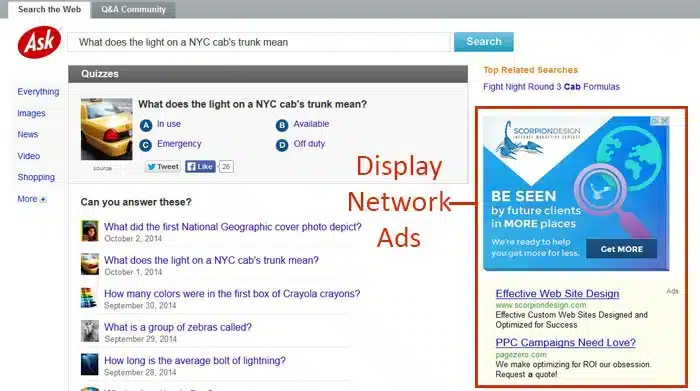
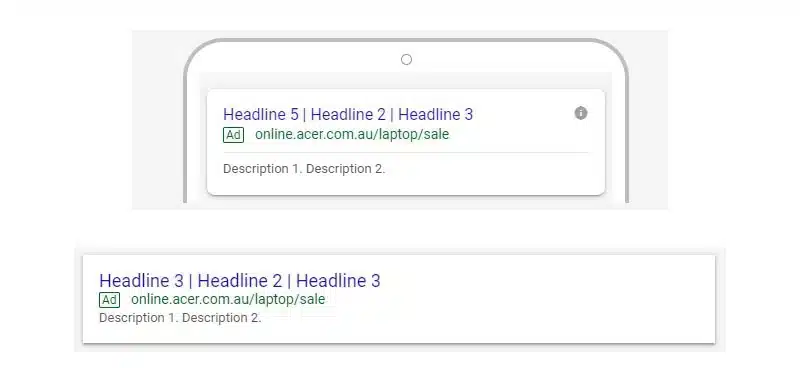
Paid advertising delivers instant visibility, but it comes with a hard ceiling.
When ad spend stops:
• Traffic stops
• Leads stop
• Revenue impact is immediate
Other challenges include:
• Rising cost per click in Australia
• Increased competition in ad auctions
• Lower trust compared to organic results
Paid ads can support growth, but they rarely improve ROI over time.
Social Media — Reach Without Buying Intent
Organic social media excels at awareness, not acquisition.
Limitations include:
• Short content lifespan
• Algorithm dependency
• Low purchase intent
Even strong engagement rarely translates into predictable long-term revenue.
Email and Outbound — Reliant on Other Channels
Email marketing works best when demand already exists.
Outbound sales faces declining response rates and rising compliance barriers.
Neither channel independently builds sustainable demand.
Why SEO Works Differently
SEO is not a rented channel.
Instead, it:
• Builds owned visibility
• Captures demand at the moment of intent
• Improves performance as authority grows
Each gain strengthens the next — creating momentum other channels cannot replicate.
The Compounding Nature of SEO ROI
Content That Appreciates Over Time
A well-optimised SEO page can:
• Rank for hundreds of relevant queries
• Generate traffic for years
• Improve with updates rather than expire
Unlike ads, SEO content doesn’t reset every month.
Authority Creates Acceleration
As a site’s authority increases:
• New content ranks faster
• Competitive keywords become achievable
• Conversion rates improve due to trust
This is why businesses investing in professional SEO services in Australia see ROI accelerate year after year.
SEO vs Paid Ads — Long-Term ROI Comparison
| Factor | SEO | Paid Ads |
| Traffic lifespan | Years | Ends instantly |
| Cost efficiency | Improves | Declines |
| Customer acquisition cost | Decreases | Increases |
| Trust | High | Lower |
| Scalability | Compounding | Linear |
This structural difference is why SEO consistently wins over time.
SEO Is a Business Asset, Not a Campaign
SEO doesn’t behave like a typical marketing expense.
It creates:
• Defensible market visibility
• Reduced reliance on third-party platforms
• Long-term brand authority
Understanding this shift is critical. Businesses that learn more about SEO requirements early avoid treating SEO as a short-term tactic — and see far stronger ROI.
What “Done Properly” Means in Modern SEO
SEO fails when it’s reduced to:
• Keyword stuffing
• Cheap link building
• Content volume without strategy
Proper SEO Today Includes
• Search intent mapping
• Technical SEO foundations
• High-quality, authoritative content
• Strategic internal linking
• Ongoing optimisation
Companies that invest in comprehensive SEO solutions available build systems that improve — not decay — over time.
Why SEO Performs Exceptionally Well in Australia
SEO is particularly powerful in the Australian market because:
• Paid media costs are higher than global averages
• Local service searches dominate
• Trust plays a stronger role in purchasing decisions
Australian SMEs are also encouraged to build sustainable digital visibility rather than rely solely on paid channels, as outlined in guidance provided by Australian Government business resources.
When Does SEO Start Beating Other Channels?
This is one of the most common AEO-style questions.
Typical SEO ROI Timeline
• Months 0–3: Technical and strategic foundation
• Months 4–6: Early traction
• Months 7–12: Break-even
• Year 2 onwards: Compounding growth
Once momentum builds, SEO typically:
• Outperforms paid channels
• Delivers lower CAC
• Produces higher-quality leads
What Happens If You Stop SEO vs Stop Ads?
This comparison explains SEO’s long-term dominance.
If ads stop:
• Traffic disappears immediately
• Leads stop
• Revenue impact is instant
If SEO stops:
• Rankings often hold
• Traffic continues
• Decline is gradual, not immediate
SEO creates resilience — not dependency.
SEO’s Role in a Multi-Channel Strategy
SEO doesn’t replace other channels.
It strengthens them by:
• Improving paid ad performance
• Increasing brand credibility
• Supporting email and remarketing
• Anchoring long-term growth
SEO becomes the foundation everything else relies on.
Final Verdict — Why SEO Still Wins Long-Term
SEO still beats most marketing channels for long-term ROI because it:
• Compounds instead of expiring
• Builds authority instead of dependency
• Improves efficiency over time
• Creates defensible digital assets
When done properly, SEO is not a cost — it’s one of the highest-return investments an Australian business can make.