

If you’ve ever searched for a local service and noticed the same businesses appearing at the top of Google Maps, you’re not imagining it. Across Australia, certain brands consistently dominate Map results, while others struggle to appear at all — even when they’re nearby, reputable, and active.
This isn’t luck, and it’s not just about having a Google Business Profile. Google Maps operates on a different trust system to traditional SEO. Understanding why some businesses win — and others don’t — requires unpacking how Google evaluates local intent, entity authority, and real-world prominence.
How Google Maps Rankings Really Work in Australia
Most explanations stop at the surface. You’ll often hear that Google Maps rankings are based on:
• Relevance
• Distance
• Prominence
While technically accurate, this oversimplification hides how Google actually decides which businesses deserve visibility.
Relevance – More Than Just Categories
Relevance measures how closely your business matches a search query. Google doesn’t rely solely on your primary category. It analyses:
• Business categories and services
• Google Business Profile descriptions
• Website content linked to your entity
• User behaviour such as clicks, calls, and direction requests
Businesses that dominate Maps align their entire digital footprint with real search behaviour, not just keywords.
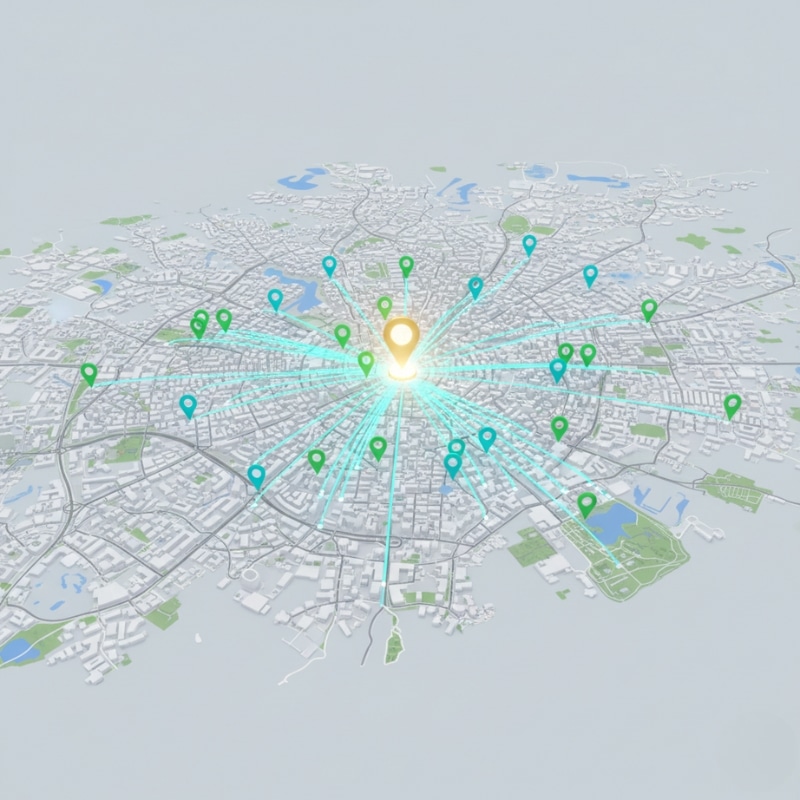
Distance – The Factor You Can’t Control (But Can Offset)
Distance refers to proximity between the searcher and the business location. While you can’t change geography, strong prominence signals can partially offset distance.
This is why a business slightly further away can still outrank closer competitors when it demonstrates stronger trust and engagement.
Prominence – The Real Reason Businesses Dominate Maps
Prominence is where Maps rankings are truly decided. Google measures whether your business is known, trusted, and actively chosen.
Key prominence signals include:
• Review quality and consistency
• Brand mentions across the web
• Website authority
• Data accuracy and consistency
• Engagement on your Google Business Profile
Most businesses underinvest here — which is why others dominate.
Why Two Similar Businesses Rank Completely Differently
It’s common to see two almost identical businesses with wildly different Maps visibility. The difference usually comes down to trust stacking.
Google Trusts Behaviour More Than Claims
Many businesses focus on what they say about themselves. Winning businesses focus on what users do.
Google heavily weighs:
• Click-through rates from Maps
• Phone calls
• Direction requests
• Photo views
• Review responses
Consistent user preference trains Google’s system to prioritise one business over another.
Consistency Builds Confidence
Australian businesses that dominate Maps maintain consistent information across:
• Google Business Profile
• Their website
• Social platforms
• Industry citations
Consistency compounds trust. Inconsistency weakens it.
Common Google Business Profile Mistakes Holding Businesses Back
Having a profile isn’t enough. Many Australian businesses unknowingly sabotage their Maps performance.
Treating Google Business Profile as Set-and-Forget
High-performing businesses treat their profile as a living asset. They regularly:
• Upload new photos
• Publish updates
• Respond to reviews
• Update services and attributes
This activity signals freshness and legitimacy.
Overvaluing Review Volume Without Engagement
Reviews matter, but context matters more. Google evaluates:
• Review relevance
• Keyword usage
• Response quality
• Review velocity over time
A business with fewer but better-managed reviews can outperform competitors with higher volumes.
Website Authority Still Influences Maps Rankings
A common myth is that Maps rankings are separate from websites. In reality, your website acts as a verification layer for your business entity.
This is why many Australian businesses invest in professional Google Maps SEO services in Australia to unify website authority and Maps optimisation under one strategy.
Internal Structure Reinforces Local Trust
Google connects your website content to your Maps listing. Clear signals include:
• Location relevance
• Service clarity
• Logical internal linking
• Authoritative content depth
If Google can’t confidently understand what you do and where you operate, dominance becomes unlikely.
Why Some Businesses Win Without Ads
Paid ads don’t directly improve Maps rankings. Organic trust signals do.
Businesses that dominate Maps organically succeed because:
• Users engage with them more
• Their listings convert better
• Google recognises them as trusted entities
This advantage compounds over time.
Australian-Specific Factors That Influence Maps Rankings
Local context matters. Across Australia, Maps performance is influenced by:
• Population density
• Suburb-based competition
• Service-area configuration
• Searcher mobility patterns
Understanding these nuances is critical when businesses learn more about Google Business Profile optimisation within an Australian context.
What Dominant Businesses Do Differently
Businesses that consistently dominate Maps follow similar principles.
They Optimise for Humans First
Instead of chasing algorithms, they focus on:
• Accurate information
• Easy contact options
• Strong customer experience
Google rewards what users reward.
They Build Entity Authority Over Time
Entity authority grows through:
• Brand mentions
• Quality backlinks
• Local partnerships
• Media coverage
This long-term investment is difficult for competitors to replicate.
The Role of Official Guidelines and Compliance
Google’s expectations align with best-practice business representation. Australian government guidance reinforces the importance of accurate information, transparency, and consumer trust.
This aligns with advice published by the Australian Government’s business guidance resources which emphasise truthful representation and customer clarity.
Why Many Businesses Plateau on Maps
Even optimised businesses can stall. Common causes include:
• Review stagnation
• Inactive profiles
• Weak engagement
• Outdated content
Breaking through usually requires comprehensive local SEO solutions available across both website and Maps ecosystems.
Final Thoughts — Maps Dominance Is Earned
Google Maps dominance isn’t about shortcuts. It’s about consistently proving your business deserves visibility.
Australian businesses that dominate Maps succeed because they:
• Build trust
• Drive engagement
• Maintain consistency
• Align with how Google evaluates credibility
Those that don’t often rely on outdated or partial optimisation.