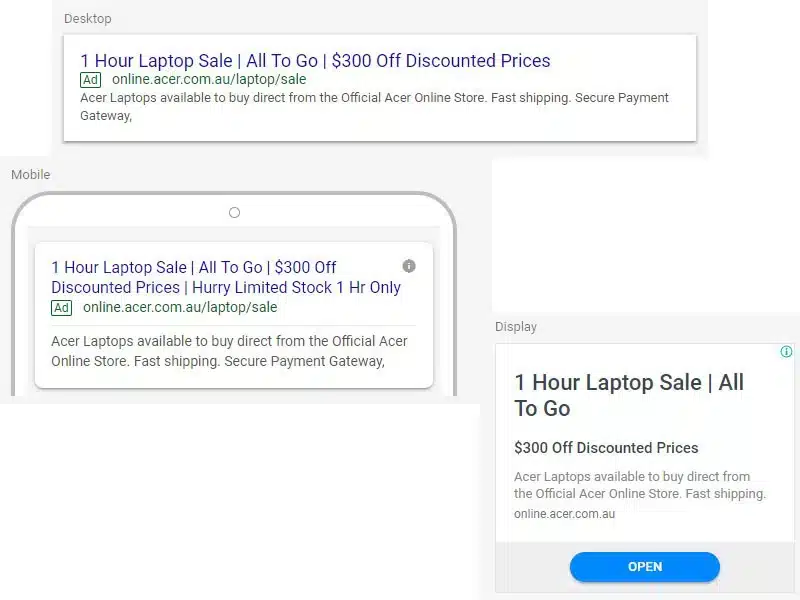



Answer Engine Optimisation (AEO) is no longer a future trend, it is already influencing how brands are surfaced in AI assistants, voice answers and zero-click panels. If you are wondering why your carefully crafted content never seems to make the cut, it may come down to believing outdated or oversimplified advice. Below we tackle seven stubborn myths and show what genuinely improves your chance of being quoted, linked or recommended. If you are weighing up whether to handle these shifts in-house or with help, our short guide on AEO services explains how the technical and content pieces fit together.
1. Myth: “If I Already Do SEO, I’m Covered for AEO”
Traditional SEO focuses on ranking pages. AEO focuses on being chosen as the single best answer across many surfaces, including AI chat, voice search, smart displays and in-SERP summaries.
Why the Myth Persists
SEO best-practice articles often bundle “structured data,” “featured snippets” and “answer boxes” under one umbrella. It sounds logical to assume that optimising for snippets covers everything.
What Actually Moves the Needle
- Clear, concise “answer paragraphs” that can be quoted verbatim.
- Consistent schema types that describe not just the page but the specific fact, definition or process.
- Trust cues (brand authority, up-to-date citations, local relevance) that help AI models verify the answer.
Local Insight
Australian businesses often lean on .com.au domain trust, but answer engines still validate source credibility. Make sure the credentials, awards or references you mention are verifiable in the Australian market.
2. Myth: “More Keywords = Greater Chance of Being Picked”
Keyword stuffing never helped SEO quality, and it actively hurts AEO. Large-language models look for clarity, context and coherence, not repetitive terms.
What to Watch For
• Paragraphs stuffed with “AEO”, “answer engine” and “optimisation” variants.
• Lists that repeat the primary phrase in every bullet.
• Meta descriptions jammed with synonyms.
What Works Instead
• Distinct entities (brand names, products, locations, dates) that confirm facts.
• Short declarative sentences that summarise complex ideas.
• Supporting data from reliable Australian sources such as the Digital Transformation Agency content guidelines.
3. Myth: “Publishing Every Day Increases My Odds”
A feast-or-famine approach to content often leads to thin, redundant or poorly researched posts. Quality signals matter more than sheer volume when answer engines decide what to quote.
Better Benchmarks
• Depth: Does the article fully address one intent without veering off topic?
• Freshness: Is the last update date apparent and genuine?
• Consistency: Do you have a predictable cadence, even if it is fortnightly?
Practical Tip
Use a content audit to prune underperforming pieces, consolidate overlapping posts and add updated research or local stats.
4. Myth: “Structured Data Is Nice to Have, Not Critical”
Every major answer engine ingests structured data to understand entities and relationships. Schema is no longer optional.
Common Errors
- Using the wrong type (eg, Product when describing a Service).
- Forgetting to update dates, author names or ratings.
- Applying schema to only part of the site.
Fixes
• Map page intent to schema type before publishing.
• Validate with tools like Google’s Rich Results Test.
• Automate schema updates during CMS edits
5. Myth: “Voice Assistants Only Pull From Big Publishers”
While authority domains dominate query volume, local and niche sites that meet answer criteria still surface. Visibility is achievable when:
• The question is location-specific.
• The content provides a unique, verifiable fact.
• The brand has consistent NAP (Name, Address, Phone) details across directories.
Local Example
We have seen regional trades win “How long does roof restoration take in Brisbane?” voice queries because they supplied a succinct, schema-marked, FAQ answer and had Google Business Profile details matching the article.
6. Myth: “Once I Win a Snippet, I Can Ignore It”
Answer engines constantly test and rotate sources to maintain freshness and reduce bias.
Maintain Your Spot by
• Refreshing stats, screenshots and references every quarter.
• Monitoring competing answers through tools or manual queries.
• Expanding context so your page remains the most comprehensive resource.
7. Myth: “External Backlinks Don’t Matter for AEO”
While the latest LLMs focus on content quality, authoritative backlinks still validate expertise and reduce hallucination risk.
Smarter Link Building
• Prioritise industry bodies, universities and respected Australian media.
• Offer unique research or data visualisations worth citing.
• Keep anchor text natural; forced exact matches raise red flags.
Table: Myth vs Reality vs Action
Below is a quick reference table you can bookmark when updating content.
| Myth | Reality | Practical Action |
| SEO alone covers AEO | AEO needs answer-ready snippets and entity clarity | Craft answer paragraphs, add entity-rich schema |
| More keywords help | Clarity beats density | Use one primary phrase, support with entities |
| Publish daily | Quality signals trump frequency | Audit, prune, improve depth |
| Schema optional | Schema is machine-read confidence | Apply correct types, validate, auto-update |
| Only big sites win voice answers | Local uniqueness can win | Provide location-specific facts, maintain NAP |
| Snippet win is permanent | Rotation happens | Refresh data, expand context |
| Backlinks irrelevant | Authority links validate facts | Earn reputable Australian citations |
A short checklist version of this table appears in our guide on the AEO vs SEO differences if you want a broader comparison.
Signs It’s Time to Revisit Your Content
- Traffic holds steady, but branded searches decline.
- You rank well, yet voice assistants never cite your site.
- Competitors appear in zero-click panels while you remain below the fold.
- Your content mentions 2023 data in mid-2026.
Any of these hints suggests a structured AEO review could yield quick wins.
Questions to Ask Before Your Next Content Update
• Which intent does this piece serve: definition, how-to, comparison or local reference?
• Can the main answer be quoted in 50 words or fewer?
• Is the primary fact supported by a trusted Australian reference?
• Does the schema accurately reflect the answer type?
• Have we eliminated redundant or keyword-stuffed sections?
FAQs
1. What is the main difference between SEO and AEO?
SEO aims for rankings that drive clicks to your website. AEO focuses on being the single most credible answer that AI assistants, voice devices and zero-click panels choose. You still need technical foundations, but the success metric shifts from position to selection.
2. Do I need separate tools for AEO audits?
Not necessarily. Many SEO platforms now surface schema errors, answer paragraph length and entity coverage. However, custom crawling for FAQPage schema, Speakable markup and voice answer testing can uncover gaps standard audits miss.
3. How often should I update answer-focused content?
A quarterly review keeps statistics, standards and schema fresh. High volatility niches such as finance or health may need monthly checks, while evergreen definitions can stretch to six-monthly cycles provided the underlying facts remain current.
4. Can small businesses realistically appear in AI answers?
Yes, especially for location-specific or niche expertise queries. Clear writing, locally relevant examples and consistent business details level the playing field against bigger brands.
5. Is there a penalty for too much schema?
Over-tagging unlikely entities confuses parsers and can lead to rich-result suppression. Tag what matters and match types to visible page content. Less, but accurate, is usually safer.
Key Takeaways
Believing myths such as “keywords beat clarity” or “schema is optional” can quietly stall your visibility in modern answer surfaces. Focus on entity-rich clarity, correct structured data and authoritative signals, then refresh content regularly to keep your spot. If content and technical tasks feel overwhelming, understanding the building blocks first helps you brief team members or external partners more effectively.
If your content remains invisible to AI assistants or voice queries even after quick wins, a deeper technical and entity audit could save you months of missed exposure.