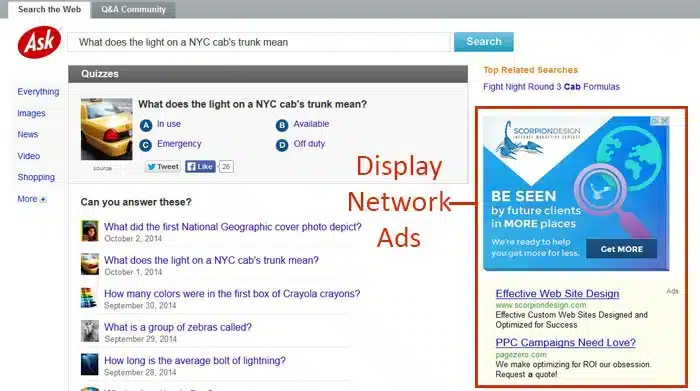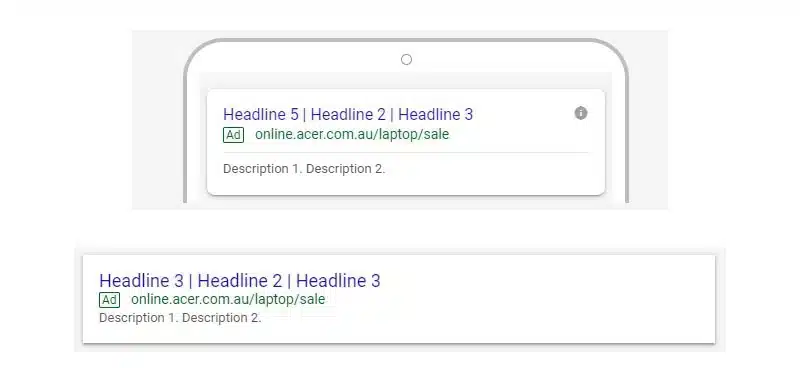


In 2025, digital marketing advertising continues to evolve as one of the most effective ways for brands to attract, engage, and convert customers online. The rise of AI-driven insights, data-led personalisation, and integrated campaign strategies has transformed how audiences respond to ads. Unlike traditional approaches, today’s digital advertising allows you to target specific demographics, track user behaviour, and optimise performance in real time.
Industry specialists such as Nifty Marketing Australia emphasise that the effectiveness of digital marketing advertising depends on how well data, creativity, and strategy work together to build meaningful audience connections.
While technology has made marketing more measurable, many businesses still struggle to get the most out of their online strategies. The real question isn’t whether digital advertising works; it’s how you can make it work better for your business.
Why do businesses still struggle with online visibility?
Even in 2025, businesses face online visibility issues despite investing heavily in digital channels. Search algorithms, social media trends, and user preferences shift constantly, leaving many brands behind. A lack of consistent visibility can make great products invisible to potential customers. Algorithms reward relevance and engagement, meaning outdated content and poorly optimised ads simply fade into the background. The main culprits behind poor visibility often include:
- Outdated website design that hinders SEO performance
- Weak content strategy that fails to address user intent
- Ineffective ad targeting that wastes valuable budget
- Inconsistent posting and brand messaging across platforms
When visibility drops, so does traffic, and your marketing ROI takes a hit. Businesses that fail to maintain a digital presence lose ground to competitors who adapt faster. To turn things around, you need effective online marketing advertising solutions that unify SEO, content, and paid advertising under a single strategy. When each channel supports the others, visibility starts to climb again.
What challenges arise in managing digital ad campaigns?
Running a digital ad campaign today is more complex than ever. Managing multiple platforms, budgets, and audience segments often leads to digital ad campaign challenges that drain both time and money. Even skilled marketers struggle with:
- Overspending due to unclear targeting rules
- Underperforming campaigns caused by poor data integration
- Ad fatigue resulting from repetitive creative assets
- Confusing attribution across devices and platforms

Industry observers such as HubSpot highlight how fragmented tracking systems and excessive automation can undermine campaign analytics and lead to missed performance signals among advertisers. When these problems pile up, your campaigns can lose momentum fast. It’s frustrating when you pour effort into an ad only to see minimal engagement. The truth is, over-automation can create a false sense of control, masking performance problems until it’s too late. A smart approach involves balancing automation with human insight, using data as a guide, not a crutch. Collaboration between creative and analytical teams helps keep campaigns relevant and authentic.
Marketers must also ensure their advertising complies with Australian consumer law, which governs transparency, fairness, and truth in advertising. Staying aligned with these standards protects both the business and its audience while maintaining credibility in competitive markets.
How does poor content alignment affect marketing ROI?
Content that doesn’t align with your audience’s journey can ruin your marketing ROI. Misaligned messaging confuses customers and weakens their trust in your brand. When ads promise one thing but your landing pages deliver another, users drop off quickly. The disconnect between ad intent and on-page experience not only wastes ad spend but also lowers conversion potential. The main impacts include:
- Reduced click-through rates due to irrelevant copy
- Higher bounce rates on landing pages
- Decreased conversions due to a lack of message consistency
- Lost opportunities for remarketing and lead nurturing
If your content doesn’t speak to the same needs across channels, your brand voice starts to sound scattered. Over time, audiences stop engaging altogether. That’s why brands are investing in integrating SEO into web design to ensure every page supports ad objectives and user intent simultaneously.
What are the best strategies to align SEO and advertising?
To get the most out of both organic and paid channels, SEO and advertising strategies must complement each other. In 2025, this alignment is the secret sauce of digital growth. The key strategies that deliver real results include:
- Sharing keyword data between SEO and ad teams for unified targeting
- Using high-performing ad keywords to inspire content topics
- Repurposing ad creatives for organic social campaigns
- Testing landing pages with both paid and organic traffic to refine conversions
Here’s a quick comparison of aligned vs. misaligned campaigns:
| Alignment Factor | Aligned Strategy Outcome | Misaligned Strategy Outcome |
| Keyword intent | Improves ad quality scores | Increases CPC due to low relevance |
| Landing page content | Boosts engagement and conversion | Causes user drop-off |
| Budget allocation | Efficient across channels | Overlaps and wasted spend |
| Data sharing | Informs strategy across teams | Creates data silos |
When SEO and advertising teams work in sync, ad spend becomes more efficient and long-term organic visibility improves. This collaboration isn’t optional anymore — it’s what separates fast-growing brands from those treading water.
How can brands measure digital advertising success effectively?
One of the biggest shifts in 2025 is how marketers measure digital advertising success. With stricter privacy laws and data-sharing limits, success metrics are no longer just about clicks or impressions; it’s about actionable outcomes. Here’s how leading brands are keeping score:
- Setting SMART goals that link directly to conversions
- Using multi-touch attribution models instead of last-click tracking
- Analysing behavioural metrics like dwell time and repeat visits
- Comparing ad spend against customer lifetime value

In Australia, the Australian Marketing Institute emphasises aligning marketing metrics with business outcomes, and recent benchmarking reports and events have stressed the need for metrics that matter over superficial ‘vanity’ measures. Relying only on vanity metrics can mislead decision-making. Instead, you should focus on business growth indicators like cost per acquisition and return on ad spend. A great way to start is by learning from methods of measuring online ad performance that tie engagement directly to revenue impact. This ensures your digital advertising strategy stays accountable, adaptable, and profitable.
Final thoughts on integrating digital marketing and advertising for growth
In a fast-changing market, integrating digital advertising into your wider business strategy is no longer optional — it’s a survival move. Brands that combine smart automation, audience insight, and human creativity stand out in cluttered digital spaces.
You don’t need to overhaul everything overnight — focus on small, consistent improvements that compound over time. From aligning SEO with paid search to refining creative assets, every tweak builds momentum.
And remember, smart strategy isn’t about spending more; it’s about spending wisely. For practical, people-first insights and marketing advice shared from Nifty Marketing Australia, explore how expert guidance can shape your next phase of growth.